Tag: wildlife conservation

  • 7 Incredible Animal Stories from the Amazon Rainforest | Amazing Wildlife Facts

    7 Incredible Animal Stories from the Amazon Rainforest | Amazing Wildlife Facts

    7 Incredible Animal Stories from the Amazon Rainforest | Amazing Wildlife Facts

    7 Incredible Animal Stories from the Amazon Rainforest: Nature’s Most Amazing Survivors


    7 Incredible Animal Stories from the Amazon Rainforest: Nature’s Most Amazing Survivors

    The Amazon Rainforest is often called the “lungs of the Earth,” but it is also one of the greatest wildlife sanctuaries on the planet. Stretching across nine South American countries and covering more than 5.5 million square kilometers, the Amazon is home to an estimated 10% of all known species. Hidden beneath its towering trees and winding rivers are remarkable animals with extraordinary survival stories that continue to fascinate scientists and nature lovers alike.

    From tiny frogs carrying poison powerful enough to stop predators to intelligent river dolphins that navigate muddy waters using sonar, every creature in the Amazon has evolved unique adaptations to survive in one of Earth’s most competitive ecosystems.

    Here are seven incredible animal stories that showcase the wonder, intelligence, and resilience of Amazon wildlife.


    1. The Jaguar: The Silent King of the Jungle

    Image
    Image
    Image
    Image
    Image
    Image
    Image

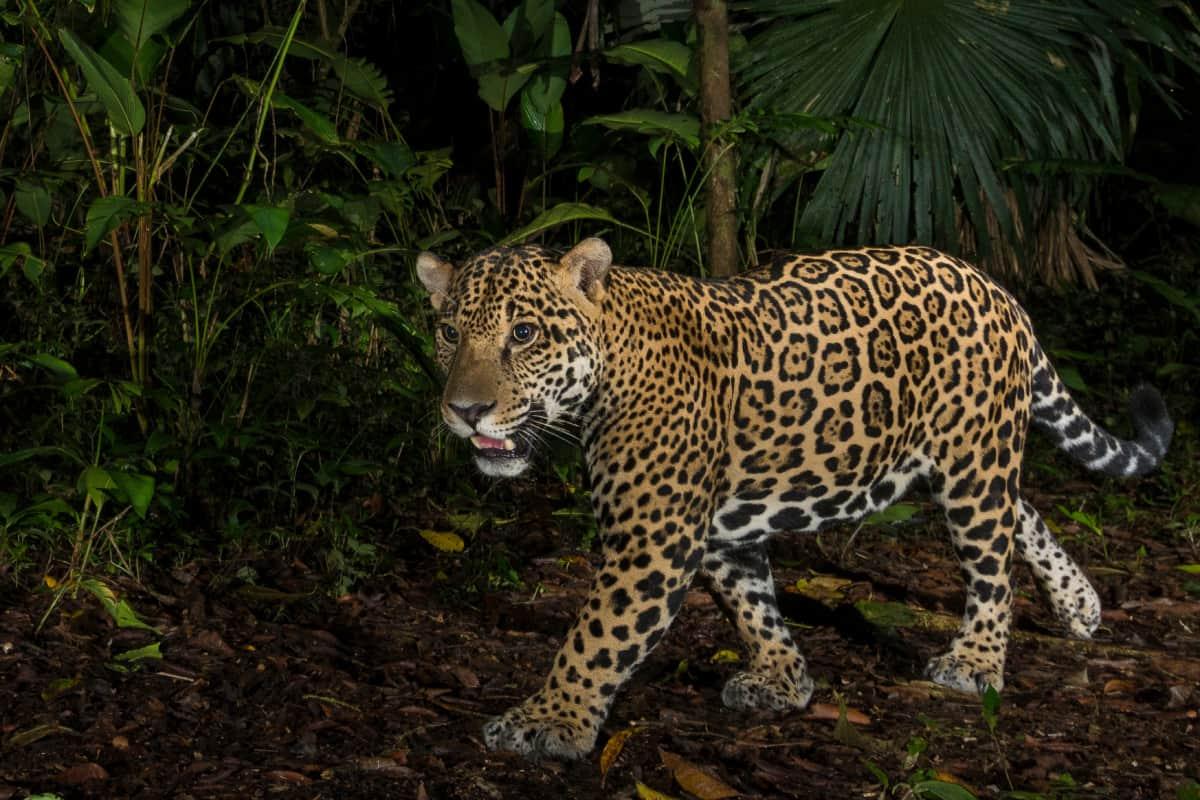
    Alt Text: Jaguar walking silently through the Amazon rainforest.

    The jaguar is the largest cat in the Americas and the undisputed apex predator of the Amazon. Unlike most big cats, jaguars are exceptional swimmers and often hunt in rivers and wetlands.

    Their incredibly powerful bite can pierce turtle shells and even the skulls of caimans. Rather than chasing prey over long distances, jaguars rely on patience and stealth, quietly stalking animals before launching a lightning-fast ambush.

    These magnificent cats play an essential role in maintaining ecological balance by controlling populations of deer, capybaras, and other mammals. Unfortunately, habitat destruction and illegal hunting continue to threaten their future.


    2. The Pink River Dolphin: The Amazon’s Gentle Mystery

    Image
    Image
    Image
    Image
    Image
    Image
    Image
    Image

    Alt Text: Pink river dolphin swimming through the Amazon River.

    One of the Amazon’s most unusual residents is the pink river dolphin, also known as the boto. Unlike ocean dolphins, these freshwater mammals have flexible necks that allow them to maneuver through flooded forests during the rainy season.

    Young dolphins are gray, gradually turning pink as they mature. Scientists believe their pink coloration develops from age, scars, and increased blood flow near the skin.

    Local folklore tells stories of dolphins transforming into handsome humans at night, but their real-life abilities are equally magical. Using echolocation, they can locate fish in muddy water where visibility is almost zero.

    Sadly, pollution and accidental capture in fishing nets are reducing their populations throughout the Amazon Basin.


    3. The Poison Dart Frog: Tiny but Powerful

    Image
    Image
    Image
    Image
    Image
    Image
    Image

    Alt Text: Brightly colored poison dart frog resting on a rainforest leaf.

    Despite measuring only a few centimeters long, poison dart frogs are among the most toxic animals on Earth.

    Their brilliant blue, yellow, orange, and red colors warn predators to stay away. Some species produce toxins capable of causing paralysis or even death.

    Interestingly, frogs raised in captivity lose much of their toxicity because they no longer consume the wild insects responsible for producing these chemicals.

    Indigenous communities have historically used the frogs’ toxins on hunting darts, giving the animals their famous name.


    4. The Leafcutter Ant: The Farmer of the Rainforest

    Image
    Image
    Image
    Image
    Image
    Image
    Image

    Alt Text: Leafcutter ants carrying pieces of green leaves.

    Leafcutter ants are among the hardest-working insects in the Amazon.

    Every day, millions of ants march through the forest carrying leaf fragments much larger than themselves. Surprisingly, they do not eat the leaves directly.

    Instead, they use them to cultivate underground fungus gardens that serve as their primary food source. This sophisticated farming system evolved millions of years before humans developed agriculture.

    A single colony may contain several million ants working together with incredible organization and efficiency.


    5. The Green Anaconda: Master of the Amazon Waters

    Image
    Image
    Image
    Image
    Image
    Image

    Alt Text: Massive green anaconda resting in shallow Amazon water.

    The green anaconda is one of the world’s largest and heaviest snakes.

    Although often portrayed as aggressive in movies, these giant reptiles generally avoid humans whenever possible.

    They spend most of their lives in rivers, swamps, and flooded forests, waiting patiently for prey to come within striking distance. Their muscular bodies allow them to overpower animals such as capybaras, caimans, and even deer.

    Anacondas are excellent swimmers and can remain submerged for long periods, with only their eyes and nostrils visible above the water.


    6. The Harpy Eagle: The Sky Hunter

    Image
    Image
    Image
    Image
    Image
    Image
    Image

    Alt Text: Harpy eagle perched high in the Amazon rainforest canopy.

    The harpy eagle is one of the world’s largest and most powerful birds of prey.

    Its massive talons are comparable in size to a grizzly bear’s claws and are strong enough to capture monkeys and sloths directly from the treetops.

    Harpy eagles require vast areas of undisturbed forest for hunting, making them vulnerable to deforestation.

    Despite their fearsome appearance, these majestic birds are shy and rarely seen in the wild, making every sighting a remarkable experience for researchers.


    7. The Glass Frog: Nature’s Transparent Wonder

    Image
    Image
    Image
    Image
    Image
    Image

    Alt Text: Transparent glass frog resting beneath a rainforest leaf.

    Glass frogs are among the Amazon’s most extraordinary amphibians.

    Their undersides are almost transparent, allowing observers to see their internal organs. This remarkable adaptation helps camouflage them against leaves, making it harder for predators to detect them.

    Male glass frogs are devoted fathers. After females lay eggs on leaves above streams, males remain nearby to guard them from insects and other predators until they hatch.

    Their dedication significantly increases the survival chances of the next generation.


    Why Amazon Wildlife Matters

    The Amazon Rainforest is much more than a collection of remarkable animals. It regulates global climate, stores enormous amounts of carbon, and supports millions of people who depend on its natural resources.

    Unfortunately, illegal logging, mining, wildfires, and expanding agriculture continue to threaten this irreplaceable ecosystem. Every species—from the mighty jaguar to the tiny glass frog—plays a vital role in maintaining the delicate balance of rainforest life.

    Protecting the Amazon means protecting one of Earth’s greatest natural treasures for future generations.


    Final Thoughts

    The Amazon Rainforest reminds us that nature is filled with extraordinary stories waiting to be discovered. Whether it’s a jaguar silently stalking its prey, a pink dolphin navigating muddy rivers, or millions of ants farming fungus beneath the forest floor, each animal has evolved incredible adaptations that inspire wonder.

    As conservation efforts continue around the world, learning about these fascinating creatures is one of the first steps toward protecting them. By appreciating the Amazon’s rich biodiversity, we can all play a small part in ensuring these amazing wildlife stories continue for generations to come.


    Discover seven incredible animal stories from the Amazon Rainforest, featuring jaguars, pink river dolphins, poison dart frogs, harpy eagles, anacondas, and more. Learn how these remarkable creatures survive in one of Earth’s richest ecosystems.
  • The Freshwater Giant That Can Weigh More Than 300 Kilograms

    The Freshwater Giant That Can Weigh More Than 300 Kilograms

    The Largest Freshwater Fish Ever Recorded Shocked the World


    Image
    Image
    Image
    Image
    Image
    Image
    Image

    Alt Text for Images

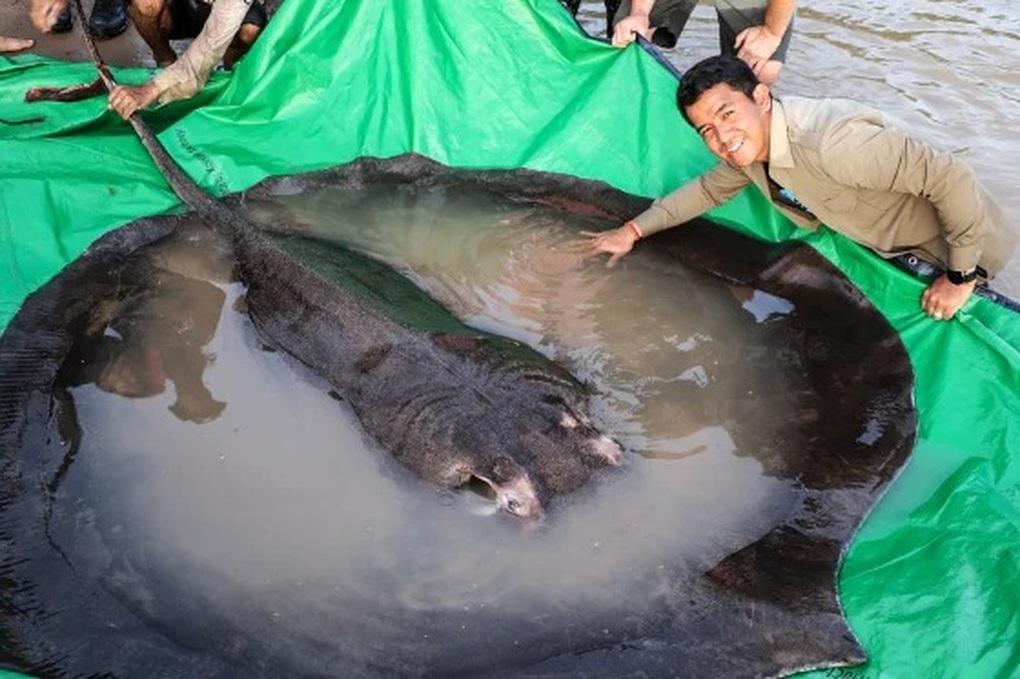
    1. Giant freshwater stingray resting on the riverbed.
    2. Massive freshwater stingray discovered by researchers.
    3. Giant stingray in the Mekong River ecosystem.
    4. Comparison between giant freshwater fish species.
    5. Scientists studying a giant freshwater stingray.
    6. Freshwater habitat supporting large aquatic animals.
    7. Conservation efforts to protect giant freshwater fish.

    The World’s Largest Freshwater Fish: Meet the Giant Freshwater Stingray

    Deep beneath the muddy waters of Southeast Asia’s rivers lives one of the most extraordinary creatures on Earth—the giant freshwater stingray. Known for its incredible size and mysterious lifestyle, this remarkable animal has captured the attention of scientists, conservationists, and wildlife enthusiasts around the world.

    Freshwater ecosystems contain thousands of fish species, ranging from tiny minnows to enormous giants. Among them, the giant freshwater stingray stands out as one of the largest freshwater fish ever documented. Some individuals can grow to extraordinary dimensions, reaching lengths of several meters and weighing more than 300 kilograms.

    A True Giant of the Rivers

    The giant freshwater stingray is primarily found in major river systems throughout Southeast Asia, especially within the Mekong River. This species spends much of its life near the river bottom, where it uses its flattened body to blend into sandy or muddy environments.

    Unlike many large marine stingrays that inhabit oceans, the giant freshwater stingray has adapted to life entirely in freshwater environments. Its broad, disc-shaped body allows it to move gracefully across the riverbed while searching for food.

    Researchers have documented specimens so large that they rival some of the world’s most impressive aquatic animals. The sheer size of these creatures often surprises local fishermen who occasionally encounter them during their daily activities.

    Physical Characteristics

    One of the most striking features of the giant freshwater stingray is its enormous body width. Adult individuals can exceed two meters in width and possess long tails equipped with sharp defensive spines.

    Their coloration typically consists of brown or gray shades that help camouflage them against river sediments. This natural camouflage provides protection from potential threats and helps them remain hidden while hunting prey.

    Despite their intimidating appearance, these stingrays are generally not aggressive toward humans. They prefer to avoid confrontation and usually remain motionless when disturbed.

    Diet and Feeding Habits

    The giant freshwater stingray is a carnivorous predator. It feeds primarily on fish, crustaceans, mollusks, and other aquatic organisms found along river bottoms.

    Using specialized sensory organs, the stingray can detect movements and electrical signals produced by nearby prey. Once a suitable target is identified, the stingray quickly captures it using powerful jaws designed for crushing hard-shelled animals.

    This feeding strategy plays an important role in maintaining ecological balance within freshwater ecosystems. By controlling populations of smaller aquatic creatures, the stingray contributes to the overall health of river environments.

    Habitat and Distribution

    The giant freshwater stingray inhabits large rivers, deep pools, and slow-moving freshwater channels. These environments provide the space and food resources necessary to support such massive animals.

    Historically, the species has been recorded in several Southeast Asian countries. River systems connected to the Mekong basin have become particularly famous for sightings and scientific studies involving these extraordinary fish.

    Because these animals require healthy freshwater habitats, they are highly vulnerable to environmental changes. Pollution, dam construction, and habitat destruction can significantly affect their populations.

    Record-Breaking Discoveries

    In recent years, scientists and conservation groups have reported astonishing discoveries involving giant freshwater stingrays. Some specimens have broken records for size and weight, demonstrating just how enormous freshwater fish can become.

    One famous specimen weighed hundreds of kilograms and required multiple people to safely measure and release it back into the river. Such discoveries highlight the importance of continued scientific research and conservation efforts.

    These record-breaking individuals remind us that many mysteries still exist beneath the surface of the world’s rivers. Even today, researchers continue learning new information about the biology and behavior of giant freshwater fish.

    Importance to Ecosystems

    Large freshwater species often serve as indicators of ecosystem health. When populations of giant freshwater stingrays remain stable, it suggests that river habitats are functioning properly.

    Healthy rivers support countless forms of life, including fish, birds, reptiles, mammals, and aquatic plants. The giant freshwater stingray represents an important component of this complex ecological network.

    Protecting these animals helps safeguard entire freshwater ecosystems that millions of people depend upon for food, transportation, and economic activities.

    Conservation Challenges

    Unfortunately, giant freshwater stingrays face numerous threats in the modern world. Overfishing, habitat degradation, pollution, and infrastructure development have contributed to declining populations in some regions.

    Many conservation organizations are working to better understand these animals and implement strategies for their protection. Educational programs also help local communities appreciate the ecological value of freshwater biodiversity.

    Scientists emphasize that conservation efforts must focus not only on individual species but also on preserving the rivers and habitats that support them.

    Fascinating Facts

    • Giant freshwater stingrays can weigh over 300 kilograms.
    • They are among the largest freshwater fish ever recorded.
    • Their flattened bodies help them hide on river bottoms.
    • They possess sharp tail spines used for defense.
    • They rely on electrical sensing abilities to locate prey.
    • They can live in deep river channels for many years.
    • They play an important role in maintaining river ecosystem balance.

    Why These Giants Matter

    The giant freshwater stingray represents one of nature’s most impressive freshwater creatures. Its enormous size, unique adaptations, and ecological significance make it a symbol of the remarkable biodiversity found within the world’s rivers.

    As scientific exploration continues, these incredible fish remind us that freshwater environments still hold many secrets waiting to be discovered. Protecting river ecosystems today ensures that future generations can continue to marvel at the world’s largest freshwater fish.

    Whether viewed as a biological wonder, a conservation priority, or simply an extraordinary animal, the giant freshwater stingray stands as one of the most fascinating inhabitants of our planet’s freshwater habitats.