Tag: nature facts

  • 🌿 Secrets of the Amazon: 7 Astonishing Animal Stories That Sound Too Incredible to Be True

    🌿 Secrets of the Amazon: 7 Astonishing Animal Stories That Sound Too Incredible to Be True

    Image
    Image
    Image
    Image
    Image
    Image

    🌿 Secrets of the Amazon: 7 Astonishing Animal Stories That Sound Too Incredible to Be True

    Category: Wildlife | Nature | Animal Stories

    Tags: Amazon rainforest, Amazon animals, wildlife stories, rainforest wildlife, exotic animals, strange animals, Amazon biodiversity, nature facts, wildlife conservation, animal behavior, jungle creatures, South America

    Meta Description:
    Discover seven extraordinary true stories about remarkable Amazon animals—from birds with ancient origins to dolphins surrounded by legends. Explore the mysterious wildlife that makes the Amazon rainforest unlike anywhere else on Earth.


    Secrets of the Amazon: 7 Astonishing Animal Stories That Sound Too Incredible to Be True

    The Amazon Rainforest is often called the “lungs of the Earth,” but it is also one of the greatest living museums of wildlife ever known. Stretching across nine South American countries, this vast ecosystem is home to millions of species, many of which still haven’t been scientifically described.

    Among these incredible creatures are animals that behave in ways so unusual they almost seem fictional. Some build giant underground kingdoms. Others have survived virtually unchanged for millions of years. A few have inspired myths passed down through Indigenous communities for centuries.

    Here are seven remarkable stories from the Amazon that reveal just how extraordinary nature can be.


    1. The Harpy Eagle – The Silent King Above the Trees

    Image Alt Text: Harpy eagle resting on a massive rainforest branch high above the Amazon canopy.

    Far above the rainforest floor lives one of the world’s most powerful birds of prey—the Harpy Eagle.

    Unlike eagles that hunt over open landscapes, the Harpy Eagle has evolved for life among towering trees. Its broad wings allow it to weave through dense forest while its enormous talons can rival the claws of a grizzly bear in size.

    Instead of chasing prey over long distances, the eagle patiently watches from hidden branches before launching a sudden attack.

    Its favorite meals include:

    • Sloths
    • Monkeys
    • Large birds
    • Tree-dwelling mammals

    A single pair may defend a territory covering dozens of square kilometers, raising only one chick every two to three years.

    Because it breeds so slowly, protecting mature rainforest habitat is essential for its survival.


    2. The Pink River Dolphin – The Amazon’s Legendary Shape-Shifter

    Image Alt Text: Pink river dolphin swimming gracefully through calm Amazon River water.

    Few Amazon animals have inspired more legends than the Pink River Dolphin.

    Known locally as the “Boto,” these freshwater dolphins begin life gray but gradually develop beautiful shades of pink as they age.

    Local folklore tells stories of dolphins transforming into elegant humans during nighttime celebrations before returning to the river at dawn.

    Although science explains their unusual color through blood vessel development and scar tissue, the myths remain an important part of Amazonian culture.

    Unlike ocean dolphins, these animals possess remarkably flexible necks, allowing them to weave through flooded forests during the rainy season.

    When rivers overflow, they navigate between submerged trees hunting fish hidden among flooded vegetation.


    3. Leafcutter Ants – Tiny Farmers of the Jungle

    Image Alt Text: Thousands of leafcutter ants carrying green leaf fragments across the Amazon forest floor.

    At first glance, leafcutter ants appear to be collecting leaves for food.

    In reality, they don’t eat the leaves at all.

    Instead, they use them to cultivate fungus inside enormous underground gardens.

    These fungal farms are carefully maintained:

    • Workers trim fresh leaves.
    • Gardeners remove mold.
    • Soldiers defend entrances.
    • Nurses care for larvae.

    The colony depends entirely on its cultivated fungus for survival.

    Some underground nests contain millions of ants connected through hundreds of chambers.

    Scientists consider leafcutter ants among the world’s earliest agricultural societies—developing farming millions of years before humans ever planted crops.


    4. Giant Otters – The Loud Families of Amazon Rivers

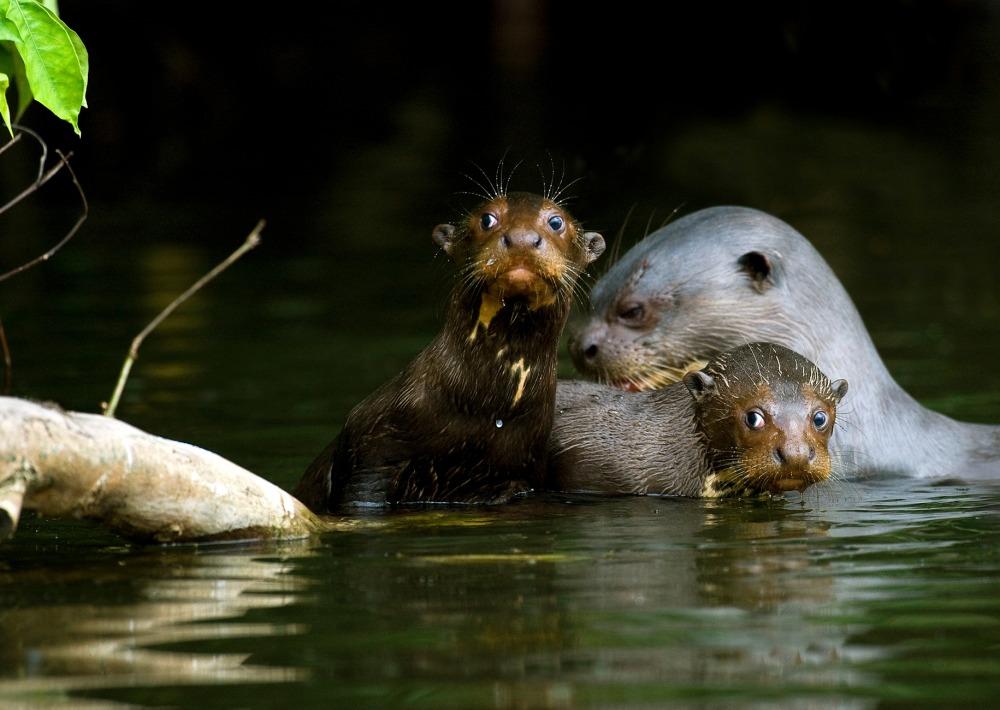
    Image Alt Text: Giant otter family swimming together in a clear Amazon river.

    Many people imagine otters as quiet, playful animals.

    Amazon Giant Otters are different.

    Living in close-knit family groups, they constantly communicate using whistles, growls, chirps, barks, and loud warning calls.

    Researchers have identified more than twenty distinct vocalizations.

    Every family member has a role:

    • Adults hunt cooperatively.
    • Older siblings help raise pups.
    • Youngsters learn fishing skills through observation.
    • The entire group defends territory together.

    Watching giant otters hunt resembles watching wolves working as a team.

    Their social intelligence is among the highest of any aquatic mammal.


    5. The Hoatzin – A Bird That Looks Like a Dinosaur

    Image Alt Text: Hoatzin bird perched among dense Amazon vegetation displaying its unusual crest.

    The Hoatzin may be one of the strangest birds alive.

    Nicknamed the “stinkbird” because of its unusual digestive system, it ferments leaves inside an enlarged crop much like cows digest grass.

    Even stranger are its chicks.

    Young Hoatzins hatch with tiny claws on their wings.

    When threatened by predators, they leap into nearby water.

    After danger passes, they climb back into the nest using those wing claws.

    Scientists believe these claws resemble features seen in ancient birds from the age of dinosaurs.

    Very few modern birds retain anything similar.


    6. Poison Dart Frogs – Tiny Jewels With Powerful Defenses

    Image Alt Text: Brightly colored poison dart frog resting on a rainforest leaf after rainfall.

    The Amazon rainforest contains some of Earth’s brightest amphibians.

    Brilliant blues.

    Vivid yellows.

    Bright oranges.

    Deep reds.

    These dazzling colors serve as warnings.

    Many poison dart frogs produce toxic skin chemicals that discourage predators from attempting a meal.

    Interestingly, captive frogs often lose much of their toxicity because the chemicals come largely from insects they eat in the wild.

    Scientists continue studying these compounds, hoping they may one day contribute to new medicines.

    Despite their reputation, these frogs rarely pose danger to humans unless handled carelessly.


    7. The Amazon Rainforest Itself – An Animal City Hidden in the Trees

    Image Alt Text: Sunrise over the Amazon rainforest canopy showing the immense diversity of forest habitat.

    Perhaps the greatest story isn’t about one animal.

    It’s about how thousands of species cooperate to create one enormous living system.

    High in the canopy:

    • Birds spread seeds.
    • Monkeys drop fruit.
    • Insects pollinate flowers.

    On the forest floor:

    • Beetles recycle dead plants.
    • Fungi break down fallen trees.
    • Ants transport nutrients through the soil.

    In rivers:

    • Fish disperse seeds.
    • Dolphins move between flooded forests.
    • Otters regulate fish populations.

    Every species contributes to maintaining the balance of the rainforest.

    Remove enough pieces, and the entire system begins to weaken.

    The Amazon functions less like a collection of individual animals and more like one giant interconnected community.


    Why the Amazon Still Holds So Many Mysteries

    Scientists estimate that thousands of Amazon species remain undiscovered. Remote valleys, unexplored tributaries, and dense forest interiors continue to reveal new insects, amphibians, fish, and even mammals.

    Modern technologies such as environmental DNA sampling, satellite mapping, camera traps, and bioacoustic monitoring have accelerated discoveries, yet many regions remain difficult to access. Every expedition has the potential to uncover species never before recorded by science.

    This ongoing exploration reminds us that the Amazon is not merely a relic of the past—it is an active frontier of biological discovery.


    Indigenous Knowledge and Wildlife

    For countless generations, Indigenous peoples of the Amazon have lived alongside these remarkable animals. Their observations of seasonal movements, breeding behaviors, medicinal plants, and ecological relationships have helped scientists better understand rainforest ecosystems.

    Many conservation projects now combine scientific research with Indigenous knowledge, recognizing that protecting wildlife also means supporting the communities who have safeguarded these forests for centuries.


    Conservation Challenges

    Although the Amazon remains one of the planet’s richest ecosystems, it faces significant pressures from deforestation, illegal mining, wildfires, climate change, and habitat fragmentation. Species with large territories, such as harpy eagles and giant otters, are especially vulnerable when forests and rivers are disturbed.

    Protected areas, sustainable land management, ecological research, and responsible ecotourism all play important roles in preserving this extraordinary region. Every effort to conserve the Amazon helps protect countless species that exist nowhere else on Earth.

    Final Thoughts

    The Amazon Rainforest continues to amaze scientists and nature lovers alike. From eagles that rule the forest canopy to dolphins surrounded by centuries-old legends, from fungus-farming ants to dinosaur-like birds, its wildlife constantly challenges our understanding of nature.

    Each story reveals that survival in the rainforest depends on remarkable adaptations developed over millions of years. The Amazon is far more than a vast forest—it is a living world filled with wonder, mystery, and endless discoveries waiting to be made.

    Protecting this incredible ecosystem ensures that future generations will continue to marvel at its astonishing animal stories and the delicate web of life that makes the Amazon one of Earth’s greatest natural treasures.


    WordPress Image Suggestions

    ImageFile NameAlt Text
    1harpy-eagle-amazon-rainforest.jpgHarpy eagle perched high above the Amazon rainforest canopy
    2amazon-pink-river-dolphin.jpgPink river dolphin swimming through the Amazon River
    3leafcutter-ants-amazon.jpgLeafcutter ants transporting green leaves across the rainforest floor
    4giant-otter-family-amazon.jpgGiant otter family hunting together in an Amazon river
    5hoatzin-bird-amazon.jpgHoatzin bird displaying its distinctive crest in the Amazon rainforest
    6poison-dart-frog-rainforest.jpgBright poison dart frog sitting on a wet tropical leaf
    7amazon-rainforest-canopy.jpgPanoramic sunrise view of the Amazon rainforest canopy
  • 7 Incredible Animal Stories from the Amazon Rainforest | Amazing Wildlife Facts

    7 Incredible Animal Stories from the Amazon Rainforest | Amazing Wildlife Facts

    7 Incredible Animal Stories from the Amazon Rainforest | Amazing Wildlife Facts

    7 Incredible Animal Stories from the Amazon Rainforest: Nature’s Most Amazing Survivors


    7 Incredible Animal Stories from the Amazon Rainforest: Nature’s Most Amazing Survivors

    The Amazon Rainforest is often called the “lungs of the Earth,” but it is also one of the greatest wildlife sanctuaries on the planet. Stretching across nine South American countries and covering more than 5.5 million square kilometers, the Amazon is home to an estimated 10% of all known species. Hidden beneath its towering trees and winding rivers are remarkable animals with extraordinary survival stories that continue to fascinate scientists and nature lovers alike.

    From tiny frogs carrying poison powerful enough to stop predators to intelligent river dolphins that navigate muddy waters using sonar, every creature in the Amazon has evolved unique adaptations to survive in one of Earth’s most competitive ecosystems.

    Here are seven incredible animal stories that showcase the wonder, intelligence, and resilience of Amazon wildlife.


    1. The Jaguar: The Silent King of the Jungle

    Image
    Image
    Image
    Image
    Image
    Image
    Image

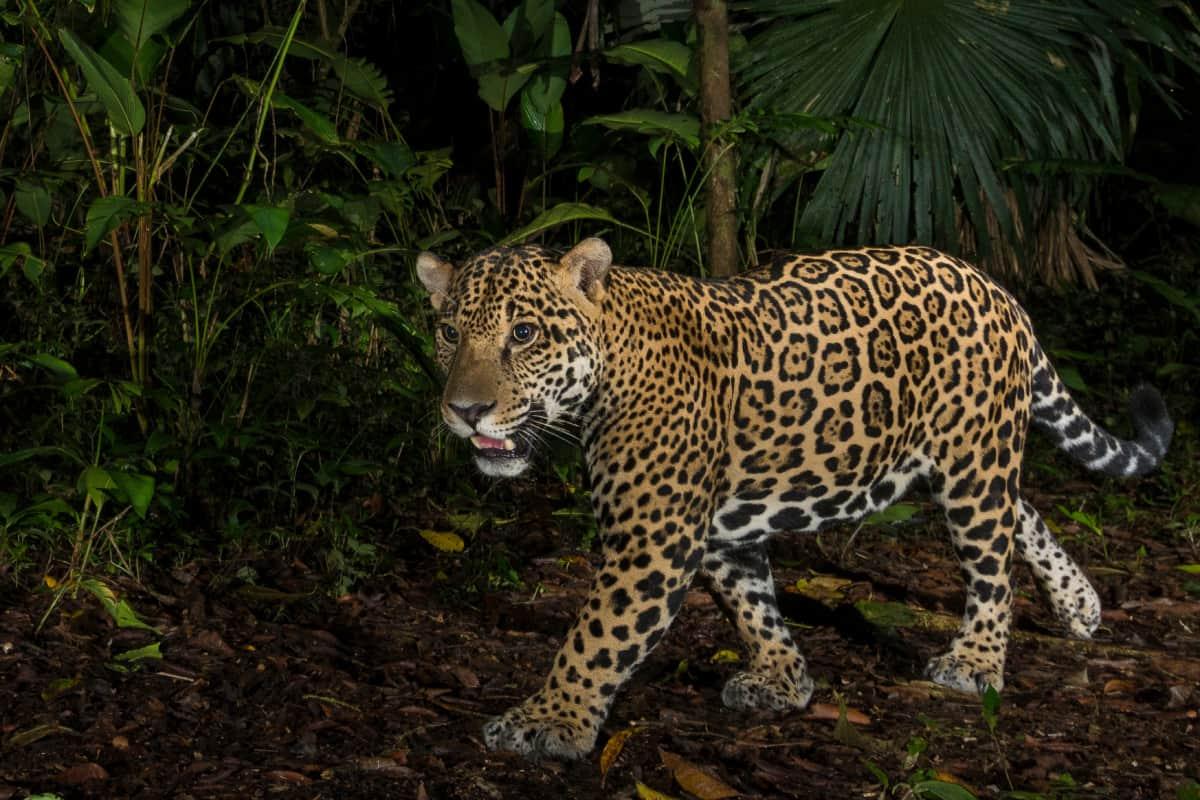
    Alt Text: Jaguar walking silently through the Amazon rainforest.

    The jaguar is the largest cat in the Americas and the undisputed apex predator of the Amazon. Unlike most big cats, jaguars are exceptional swimmers and often hunt in rivers and wetlands.

    Their incredibly powerful bite can pierce turtle shells and even the skulls of caimans. Rather than chasing prey over long distances, jaguars rely on patience and stealth, quietly stalking animals before launching a lightning-fast ambush.

    These magnificent cats play an essential role in maintaining ecological balance by controlling populations of deer, capybaras, and other mammals. Unfortunately, habitat destruction and illegal hunting continue to threaten their future.


    2. The Pink River Dolphin: The Amazon’s Gentle Mystery

    Image
    Image
    Image
    Image
    Image
    Image
    Image
    Image

    Alt Text: Pink river dolphin swimming through the Amazon River.

    One of the Amazon’s most unusual residents is the pink river dolphin, also known as the boto. Unlike ocean dolphins, these freshwater mammals have flexible necks that allow them to maneuver through flooded forests during the rainy season.

    Young dolphins are gray, gradually turning pink as they mature. Scientists believe their pink coloration develops from age, scars, and increased blood flow near the skin.

    Local folklore tells stories of dolphins transforming into handsome humans at night, but their real-life abilities are equally magical. Using echolocation, they can locate fish in muddy water where visibility is almost zero.

    Sadly, pollution and accidental capture in fishing nets are reducing their populations throughout the Amazon Basin.


    3. The Poison Dart Frog: Tiny but Powerful

    Image
    Image
    Image
    Image
    Image
    Image
    Image

    Alt Text: Brightly colored poison dart frog resting on a rainforest leaf.

    Despite measuring only a few centimeters long, poison dart frogs are among the most toxic animals on Earth.

    Their brilliant blue, yellow, orange, and red colors warn predators to stay away. Some species produce toxins capable of causing paralysis or even death.

    Interestingly, frogs raised in captivity lose much of their toxicity because they no longer consume the wild insects responsible for producing these chemicals.

    Indigenous communities have historically used the frogs’ toxins on hunting darts, giving the animals their famous name.


    4. The Leafcutter Ant: The Farmer of the Rainforest

    Image
    Image
    Image
    Image
    Image
    Image
    Image

    Alt Text: Leafcutter ants carrying pieces of green leaves.

    Leafcutter ants are among the hardest-working insects in the Amazon.

    Every day, millions of ants march through the forest carrying leaf fragments much larger than themselves. Surprisingly, they do not eat the leaves directly.

    Instead, they use them to cultivate underground fungus gardens that serve as their primary food source. This sophisticated farming system evolved millions of years before humans developed agriculture.

    A single colony may contain several million ants working together with incredible organization and efficiency.


    5. The Green Anaconda: Master of the Amazon Waters

    Image
    Image
    Image
    Image
    Image
    Image

    Alt Text: Massive green anaconda resting in shallow Amazon water.

    The green anaconda is one of the world’s largest and heaviest snakes.

    Although often portrayed as aggressive in movies, these giant reptiles generally avoid humans whenever possible.

    They spend most of their lives in rivers, swamps, and flooded forests, waiting patiently for prey to come within striking distance. Their muscular bodies allow them to overpower animals such as capybaras, caimans, and even deer.

    Anacondas are excellent swimmers and can remain submerged for long periods, with only their eyes and nostrils visible above the water.


    6. The Harpy Eagle: The Sky Hunter

    Image
    Image
    Image
    Image
    Image
    Image
    Image

    Alt Text: Harpy eagle perched high in the Amazon rainforest canopy.

    The harpy eagle is one of the world’s largest and most powerful birds of prey.

    Its massive talons are comparable in size to a grizzly bear’s claws and are strong enough to capture monkeys and sloths directly from the treetops.

    Harpy eagles require vast areas of undisturbed forest for hunting, making them vulnerable to deforestation.

    Despite their fearsome appearance, these majestic birds are shy and rarely seen in the wild, making every sighting a remarkable experience for researchers.


    7. The Glass Frog: Nature’s Transparent Wonder

    Image
    Image
    Image
    Image
    Image
    Image

    Alt Text: Transparent glass frog resting beneath a rainforest leaf.

    Glass frogs are among the Amazon’s most extraordinary amphibians.

    Their undersides are almost transparent, allowing observers to see their internal organs. This remarkable adaptation helps camouflage them against leaves, making it harder for predators to detect them.

    Male glass frogs are devoted fathers. After females lay eggs on leaves above streams, males remain nearby to guard them from insects and other predators until they hatch.

    Their dedication significantly increases the survival chances of the next generation.


    Why Amazon Wildlife Matters

    The Amazon Rainforest is much more than a collection of remarkable animals. It regulates global climate, stores enormous amounts of carbon, and supports millions of people who depend on its natural resources.

    Unfortunately, illegal logging, mining, wildfires, and expanding agriculture continue to threaten this irreplaceable ecosystem. Every species—from the mighty jaguar to the tiny glass frog—plays a vital role in maintaining the delicate balance of rainforest life.

    Protecting the Amazon means protecting one of Earth’s greatest natural treasures for future generations.


    Final Thoughts

    The Amazon Rainforest reminds us that nature is filled with extraordinary stories waiting to be discovered. Whether it’s a jaguar silently stalking its prey, a pink dolphin navigating muddy rivers, or millions of ants farming fungus beneath the forest floor, each animal has evolved incredible adaptations that inspire wonder.

    As conservation efforts continue around the world, learning about these fascinating creatures is one of the first steps toward protecting them. By appreciating the Amazon’s rich biodiversity, we can all play a small part in ensuring these amazing wildlife stories continue for generations to come.


    Discover seven incredible animal stories from the Amazon Rainforest, featuring jaguars, pink river dolphins, poison dart frogs, harpy eagles, anacondas, and more. Learn how these remarkable creatures survive in one of Earth’s richest ecosystems.

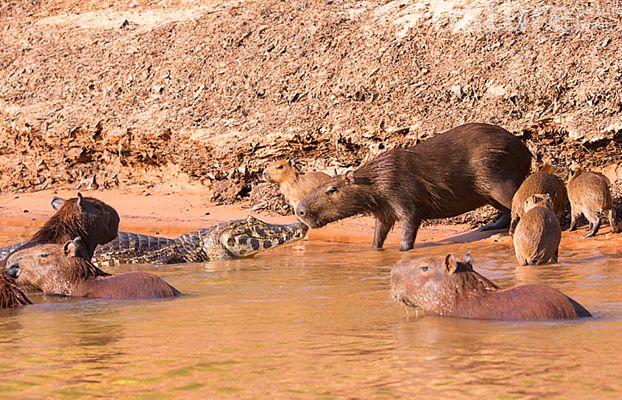
  • Capybara calmly resting among different animal species near water.

    Capybara calmly resting among different animal species near water.

    https://images.openai.com/static-rsc-4/FDZbmNweharnjBGgOe0jxPDeU9jreozRCbHm5cEyvZYcty4Fl-ENYHuKq-VqAE6IC6CsIbCaK5V46ehY8CkyqHetJ-ZAc70-yZjSijlc0jRe4lN_bquIx4qiWziyrCIqG_VnbOjTA8wmmlyFZZuwrS_nwofRTW8ItS809mkZZHaWQ0lSgNAgKYqlbmxVK7Tv?purpose=fullsize
    https://images.openai.com/static-rsc-4/Tc2O4w8DlSb_xeB82pAwPToC5CINwf2hLOWe3-zgGBr71-3QeAOCdAg9UU8nN7KNLvmcCgrQ7KHAfGnIdHNkUh-BYhmFsUpjdFCun8R7ODDn48lGKhetZcb45m0uSUkGpwk_GdgcvVqD-EZ7bVOTzBslDmvuHXmwZhLx4HSQlbj6i2YcOfhhT1Nbf5jYnrRi?purpose=fullsize
    https://images.openai.com/static-rsc-4/26jr76nzJgE0nntfcmwboxz1nrlBjK-8IYenzbQYIQOTGgdQ1wjcQg-GJ_tYYndUm6WuhGbw30fndXEB8hex7PUXJUrTqdha4GdDhdS-u-wPlaXDKx1DaAmPd-bFRcfbYQo0MDq9vG82BBs0_tBS9zAJDw4Tm22F6fZ89GGrhNSQGafieeE8gntnHJxhuqJ1?purpose=fullsize

    Category: Wildlife / Strange Animal Stories / Nature
    Tags: capybara, friendly animals, unusual animal behavior, wildlife stories, peaceful animals, animal friendships, nature facts, strange animal stories

    Featured Image Alt Text:
    Capybara calmly resting among different animal species near water.

    The Animal That Makes Friends With Everyone: Why Even Crocodiles Rarely Fight With the Capybara

    Most animals have enemies.

    Some defend territory. Others compete for food. Many avoid strangers entirely.

    But one animal seems to ignore all those rules.

    Meet the capybara—the world’s largest rodent and possibly one of nature’s most peaceful creatures.

    Across South America, capybaras have become famous for something unusual: they are regularly seen relaxing beside birds, sharing space with monkeys, tolerating cats and dogs, and sometimes even sitting surprisingly close to crocodilians without conflict.

    It almost looks impossible.

    How does one animal seem to get along with nearly everyone?


    A Giant Rodent With an Unexpected Personality

    Capybaras live in wetlands, rivers, and grassy areas where many other species gather.

    Unlike highly territorial animals, capybaras are social and calm.

    They usually live in groups and spend much of their day eating grasses, resting, swimming, and staying alert for danger.

    Because they are herbivores, they do not compete with predators for food.

    That alone reduces many possible conflicts.

    Their relaxed body language also appears to make other animals less defensive.


    Why Birds Love Capybaras

    One of the most common wildlife scenes shows birds standing directly on capybaras.

    Small birds often search for insects around their bodies or simply use them as safe resting places.

    Capybaras rarely react aggressively.

    Instead of chasing visitors away, they usually continue resting.

    This creates the appearance of an open invitation.


    The Strange Relationship With Crocodilians

    Perhaps the most surprising images show capybaras sitting near crocodilians.

    In South America, capybaras sometimes share water environments with caimans.

    To people, it looks like an impossible friendship.

    But reality is more complicated.

    Capybaras remain cautious and stay aware of danger.

    At the same time, crocodilians do not attack constantly. Predators conserve energy and often ignore animals unless hunting conditions are favorable.

    Because capybaras are calm and predictable, peaceful moments can happen—and photographers capture them.

    That does not mean capybaras are immune from predation.

    It simply means nature is often more peaceful than people expect.


    Friends Across Species

    Capybaras have become famous for accepting company from many animals.

    Photographs frequently show them alongside:

    • Ducks
    • Monkeys
    • Turtles
    • Birds
    • Rabbits
    • Domestic animals

    Their quiet behavior and lack of aggression make them unusually tolerant neighbors.


    Nature’s Most Relaxed Animal?

    Capybaras still face dangers in the wild.

    They must watch for predators and remain alert.

    But compared with many animals, they appear remarkably calm.

    Maybe that is why people around the world love them.

    In a world where survival often means competition, the capybara became famous for something different.

    Not speed.

    Not strength.

    Not size.

    Just getting along.

    And somehow, that made this giant rodent one of the internet’s favorite animals.

  • Not Photoshop: 7 Animals Born in Colors So Strange Scientists Had to Look Twice

    Not Photoshop: 7 Animals Born in Colors So Strange Scientists Had to Look Twice

    Image
    Image
    Image
    Image
    Image
    Image
    Image

    Not Photoshop: 7 Animals Born in Colors So Strange Scientists Had to Look Twice

    If someone showed you an orange penguin or a black flamingo, you might assume the image had been edited.

    But nature occasionally produces animals with colors so unusual that even researchers stop and stare.

    Most species develop colors that help them survive—camouflage, warning signals, temperature control, or attracting mates. Yet every so often, genetics creates something unexpected.

    These animals are not new species.

    They are simply extraordinary versions of familiar ones.

    Here are seven real examples of animals born with colors that made them look almost impossible.


    1. The Orange Penguin That Shocked Wildlife Photographers

    Penguins are famous for their black-and-white appearance.

    That’s why photographers were stunned when an unusually orange-colored penguin appeared.

    Scientists believe rare pigment abnormalities can reduce darker feather colors and create lighter golden or orange tones.

    The result looked less like a penguin and more like a tropical bird.

    Alt Text: Rare orange-colored penguin standing among ordinary penguins.


    2. The White Crow That Lost Its Darkness

    Crows are symbols of glossy black feathers.

    But occasionally, a crow appears almost completely white.

    This unusual appearance often results from leucism—a condition that reduces pigment while preserving normal eye color.

    White crows attract enormous attention because they break one of nature’s most recognizable color patterns.

    Alt Text: Rare white crow perched outdoors with pale feathers.


    3. The Golden Turtle That Looked Metallic

    Most turtles disappear into mud, rocks, and vegetation.

    Then there are the rare yellow or golden individuals.

    Their shells can appear bright enough to look painted.

    Researchers study these rare color changes to better understand reptile pigmentation.

    Alt Text: Golden-colored turtle with unusual bright shell.


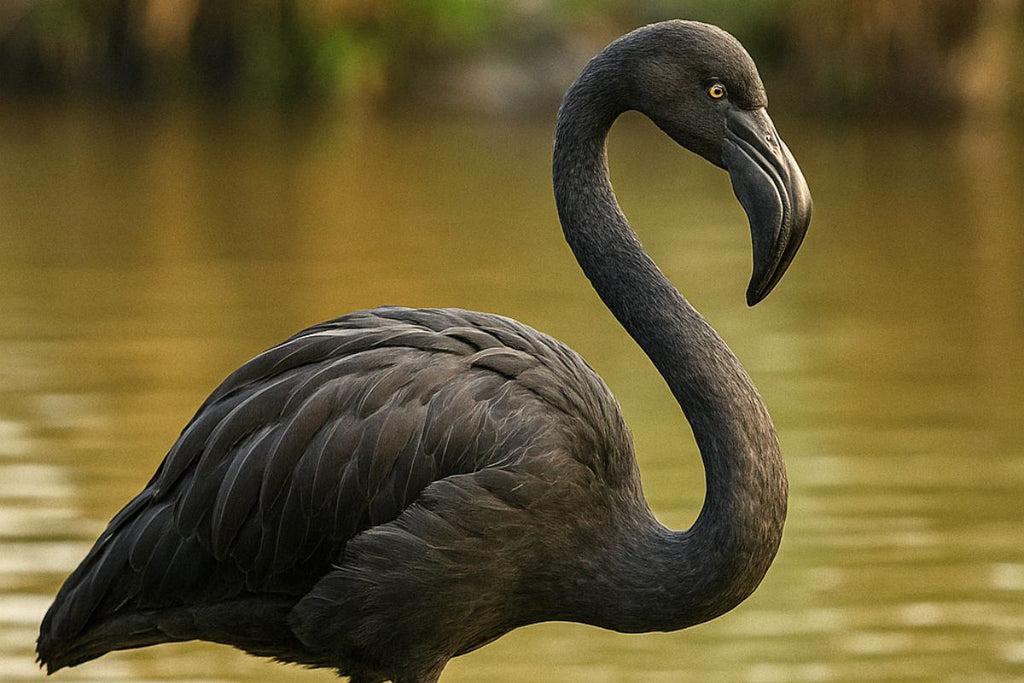
    4. The Nearly Black Flamingo

    Flamingos are famous for pink feathers.

    A black flamingo sounds impossible.

    Yet rare individuals with unusually dark pigment have been documented.

    The contrast creates one of the strangest sights in bird watching—a bird known for brightness appearing almost shadow-colored.

    Alt Text: Rare dark flamingo standing among pink flamingos.


    5. The White Moose That Became a Legend

    Moose are usually dark brown and blend into forests.

    But rare white moose can appear almost glowing between trees.

    Unlike albino animals, many retain normal eyes and are believed to carry reduced pigmentation rather than complete pigment loss.

    People who see one often describe the experience as unforgettable.

    Alt Text: Rare white moose walking through woodland.


    6. The Yellow Cobra That Looks Unreal

    Cobras usually rely on darker colors for protection and concealment.

    Occasionally, rare yellow individuals appear because of unusual genetic traits.

    Their bright color transforms one of the world’s most recognizable snakes into something that seems almost fictional.

    Alt Text: Yellow cobra displaying unusual bright coloration.


    7. The Red Banana Slug

    Slugs may not sound exciting—until one appears bright red.

    Some banana slug color variations develop intense orange or red shades that stand out dramatically against forest floors.

    These strange colors remind us that unusual pigmentation is not limited to large or famous animals.

    Alt Text: Bright red banana slug moving across a forest surface.


    Why Does Nature Create These Color Surprises?

    Color mutations usually happen because pigment-producing cells behave differently during development.

    These changes can create animals that are:

    • Lighter than normal
    • Darker than normal
    • More colorful than expected
    • Completely unlike their own species

    Many unusual color variations reduce camouflage, making survival harder.

    But for people lucky enough to see them, they become unforgettable reminders that nature still creates surprises no one expects.

    Sometimes the rarest animal is not the rarest species—

    it is simply the wrong color..

  • This Crab Doesn’t Build a Home—It Steals a Snail Shell and Lives Inside It

    This Crab Doesn’t Build a Home—It Steals a Snail Shell and Lives Inside It

    Image
    Image
    Image
    Image
    Image
    Image
    Image

    This Crab Doesn’t Build a Home—It Steals a Snail Shell and Lives Inside It

    Imagine searching for a house not by building one—but by finding an abandoned shell and moving in.

    That’s exactly how one of the ocean’s most unusual animals survives.

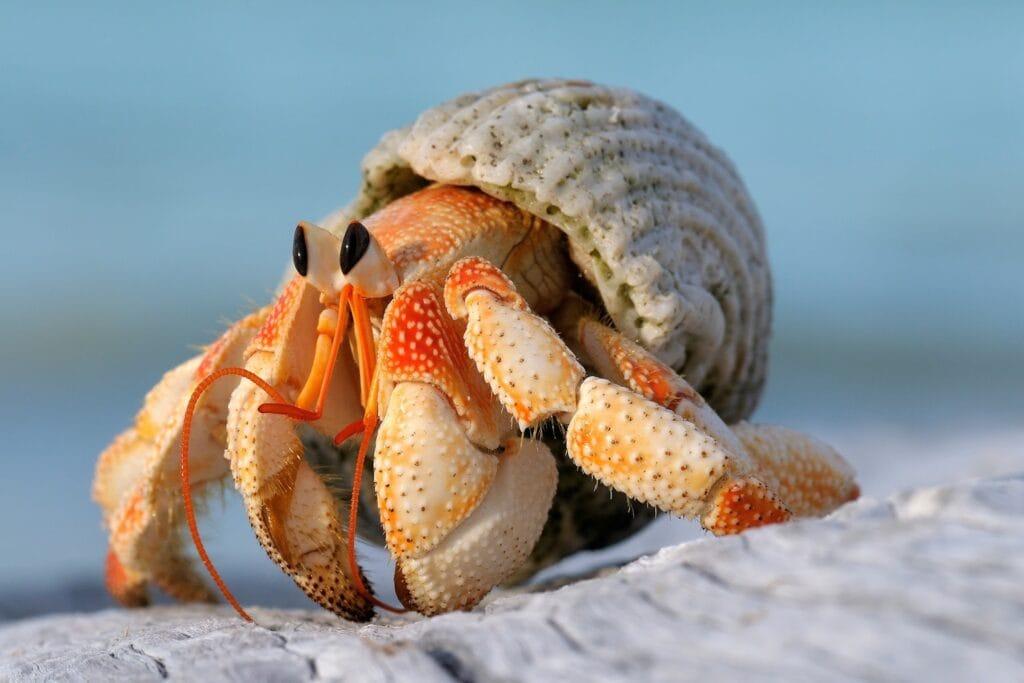
    Hermit crabs are famous for using empty snail shells as portable homes. Unlike most crabs, their bodies are not fully protected by a hard outer shell. Instead, they depend on abandoned snail shells as mobile shelters, carrying their homes everywhere they go.

    This strange lifestyle has turned hermit crabs into one of nature’s most fascinating examples of adaptation and survival.

    Why Hermit Crabs Need Borrowed Homes

    Most crabs have thick, armored bodies that protect them from predators and rough environments.

    Hermit crabs are different.

    Only the front part of their body is strongly protected. Their soft, curved abdomen remains vulnerable.

    To solve this problem, evolution created an unusual strategy.

    Hermit crabs search for empty snail shells and carefully move inside. Their curved bodies fit naturally into spiral interiors, creating a surprisingly secure shelter.

    The shell becomes more than protection—it becomes the crab’s bedroom, fortress, and transportation system.

    Without shells, many hermit crabs would struggle to survive.

    The Great Shell Hunt

    Finding the perfect shell is not easy.

    Hermit crabs spend large portions of their lives evaluating potential homes.

    A shell must be:

    • Large enough to fit comfortably
    • Light enough to carry
    • Strong enough to resist predators
    • Shaped correctly for balance and movement

    Crabs inspect shells carefully before committing.

    They rotate around openings, test the interior using their claws, and sometimes enter partially before deciding.

    If a shell feels wrong, they quickly move on.

    A poor shell choice may reduce movement speed or increase vulnerability.

    Real Estate Competition Underwater

    Suitable shells are valuable.

    In some environments, shell availability becomes so limited that competition intensifies.

    Researchers have observed hermit crabs gathering in groups whenever an empty shell appears.

    Sometimes a chain of crabs forms—smallest to largest—waiting for a shell exchange.

    When one crab upgrades to a larger shell, another immediately occupies the abandoned one, creating an orderly housing market beneath the sea.

    This phenomenon is often called a “vacancy chain.”

    Instead of fighting constantly, many crabs benefit from timing and opportunity.

    Moving Day: One of Nature’s Fastest Decisions

    Changing shells is risky.

    During the transfer, a hermit crab briefly exposes its soft body.

    Predators such as fish and octopuses may attack during these vulnerable moments.

    Because of this danger, shell changes happen incredibly fast.

    The crab positions both shells close together and performs a rapid switch that can take only seconds.

    This quick relocation reduces exposure and increases survival.

    Scientists studying shell exchanges continue discovering how accurately crabs judge shell size and quality.

    More Than Protection: Shells Become Ecosystems

    Over time, a hermit crab’s shell may become home to more than one creature.

    Small algae, marine worms, and tiny organisms sometimes attach to the outside.

    Some hermit crabs even develop partnerships with sea anemones.

    The anemones gain transportation and access to food scraps.

    The crab gains additional defense because anemones possess stinging cells that discourage predators.

    What begins as a discarded snail shell can eventually become a tiny moving ecosystem.

    Growing Means Constantly Moving

    Hermit crabs never stop growing.

    As they increase in size, their shells eventually become too small.

    This means they must repeatedly search for larger homes throughout life.

    Young crabs may switch frequently.

    Older individuals can become extremely selective.

    Growth creates constant pressure to find better housing.

    In areas where snail populations decline or shells become scarce, hermit crab survival may also decrease.

    Their entire lifestyle depends on the availability of abandoned shells.

    Unexpected Intelligence in Tiny Creatures

    Hermit crabs demonstrate surprisingly complex behavior.

    Studies suggest they compare shell quality, remember locations, and evaluate future opportunities.

    Some even wait strategically near larger crabs, expecting shell exchanges.

    Their decisions balance energy use, protection, and long-term survival.

    For such small animals, their behavior appears remarkably sophisticated.

    Why Hermit Crabs Fascinate People

    Part of the appeal comes from how relatable their behavior feels.

    Humans search for homes.

    Hermit crabs search for homes.

    Humans upgrade when life changes.

    Hermit crabs do the same.

    Their unusual relationship with abandoned snail shells transforms something simple into one of the ocean’s most memorable survival stories.

    Final Thoughts

    Hermit crabs prove that survival doesn’t always require building something new.

    By transforming abandoned snail shells into portable shelters, these animals created one of nature’s most elegant solutions to a difficult problem.

    Every shell tells a story.

    First, it belonged to a snail.

    Then, after being abandoned, it became a traveling nest for a crab.

    In the ocean, even an empty shell can begin a second life.

    Image Alt Text

    Figure 1:
    Close-up of a hermit crab partially emerging from an empty snail shell on the ocean floor.

    Figure 2:
    Small hermit crab carrying a spiral snail shell while moving across sandy seabed.

    Figure 3:
    Hermit crab inspecting a larger shell before changing homes underwater.

    Figure 4:
    Several hermit crabs gathered together competing for available shells.

    Figure 5:
    Colorful hermit crab using an abandoned shell as a portable shelter.

    Figure 6:
    Macro view showing the detailed claws and shell opening of a hermit crab.

    Figure 7:
    Hermit crab walking across the seafloor carrying its protective shell

  • The Freshwater Giant That Can Weigh More Than 300 Kilograms

    The Freshwater Giant That Can Weigh More Than 300 Kilograms

    The Largest Freshwater Fish Ever Recorded Shocked the World


    Image
    Image
    Image
    Image
    Image
    Image
    Image

    Alt Text for Images

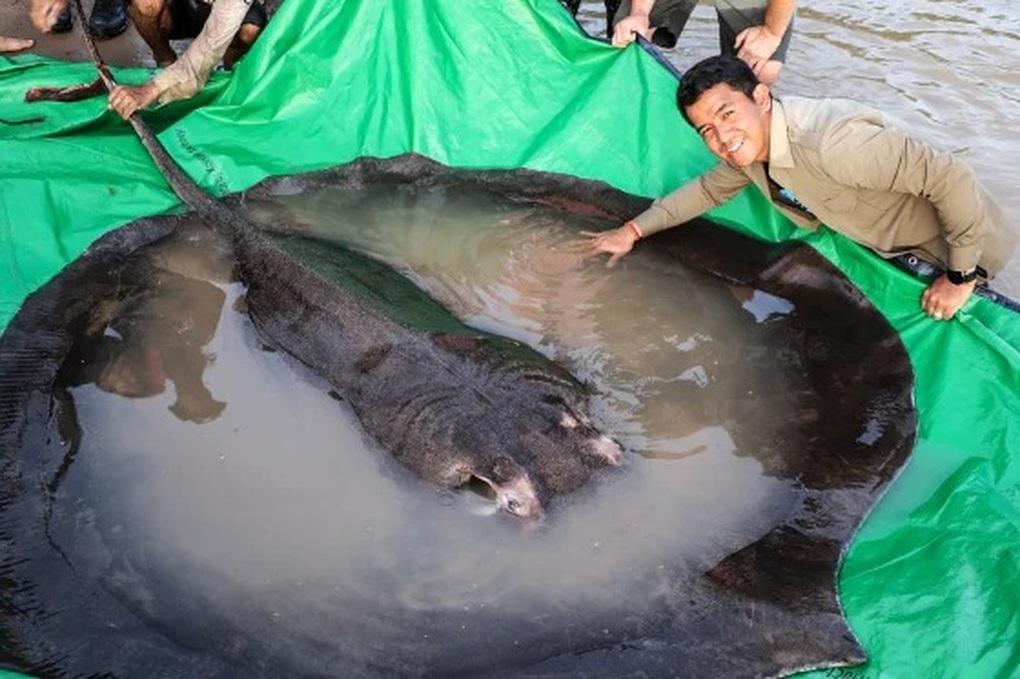
    1. Giant freshwater stingray resting on the riverbed.
    2. Massive freshwater stingray discovered by researchers.
    3. Giant stingray in the Mekong River ecosystem.
    4. Comparison between giant freshwater fish species.
    5. Scientists studying a giant freshwater stingray.
    6. Freshwater habitat supporting large aquatic animals.
    7. Conservation efforts to protect giant freshwater fish.

    The World’s Largest Freshwater Fish: Meet the Giant Freshwater Stingray

    Deep beneath the muddy waters of Southeast Asia’s rivers lives one of the most extraordinary creatures on Earth—the giant freshwater stingray. Known for its incredible size and mysterious lifestyle, this remarkable animal has captured the attention of scientists, conservationists, and wildlife enthusiasts around the world.

    Freshwater ecosystems contain thousands of fish species, ranging from tiny minnows to enormous giants. Among them, the giant freshwater stingray stands out as one of the largest freshwater fish ever documented. Some individuals can grow to extraordinary dimensions, reaching lengths of several meters and weighing more than 300 kilograms.

    A True Giant of the Rivers

    The giant freshwater stingray is primarily found in major river systems throughout Southeast Asia, especially within the Mekong River. This species spends much of its life near the river bottom, where it uses its flattened body to blend into sandy or muddy environments.

    Unlike many large marine stingrays that inhabit oceans, the giant freshwater stingray has adapted to life entirely in freshwater environments. Its broad, disc-shaped body allows it to move gracefully across the riverbed while searching for food.

    Researchers have documented specimens so large that they rival some of the world’s most impressive aquatic animals. The sheer size of these creatures often surprises local fishermen who occasionally encounter them during their daily activities.

    Physical Characteristics

    One of the most striking features of the giant freshwater stingray is its enormous body width. Adult individuals can exceed two meters in width and possess long tails equipped with sharp defensive spines.

    Their coloration typically consists of brown or gray shades that help camouflage them against river sediments. This natural camouflage provides protection from potential threats and helps them remain hidden while hunting prey.

    Despite their intimidating appearance, these stingrays are generally not aggressive toward humans. They prefer to avoid confrontation and usually remain motionless when disturbed.

    Diet and Feeding Habits

    The giant freshwater stingray is a carnivorous predator. It feeds primarily on fish, crustaceans, mollusks, and other aquatic organisms found along river bottoms.

    Using specialized sensory organs, the stingray can detect movements and electrical signals produced by nearby prey. Once a suitable target is identified, the stingray quickly captures it using powerful jaws designed for crushing hard-shelled animals.

    This feeding strategy plays an important role in maintaining ecological balance within freshwater ecosystems. By controlling populations of smaller aquatic creatures, the stingray contributes to the overall health of river environments.

    Habitat and Distribution

    The giant freshwater stingray inhabits large rivers, deep pools, and slow-moving freshwater channels. These environments provide the space and food resources necessary to support such massive animals.

    Historically, the species has been recorded in several Southeast Asian countries. River systems connected to the Mekong basin have become particularly famous for sightings and scientific studies involving these extraordinary fish.

    Because these animals require healthy freshwater habitats, they are highly vulnerable to environmental changes. Pollution, dam construction, and habitat destruction can significantly affect their populations.

    Record-Breaking Discoveries

    In recent years, scientists and conservation groups have reported astonishing discoveries involving giant freshwater stingrays. Some specimens have broken records for size and weight, demonstrating just how enormous freshwater fish can become.

    One famous specimen weighed hundreds of kilograms and required multiple people to safely measure and release it back into the river. Such discoveries highlight the importance of continued scientific research and conservation efforts.

    These record-breaking individuals remind us that many mysteries still exist beneath the surface of the world’s rivers. Even today, researchers continue learning new information about the biology and behavior of giant freshwater fish.

    Importance to Ecosystems

    Large freshwater species often serve as indicators of ecosystem health. When populations of giant freshwater stingrays remain stable, it suggests that river habitats are functioning properly.

    Healthy rivers support countless forms of life, including fish, birds, reptiles, mammals, and aquatic plants. The giant freshwater stingray represents an important component of this complex ecological network.

    Protecting these animals helps safeguard entire freshwater ecosystems that millions of people depend upon for food, transportation, and economic activities.

    Conservation Challenges

    Unfortunately, giant freshwater stingrays face numerous threats in the modern world. Overfishing, habitat degradation, pollution, and infrastructure development have contributed to declining populations in some regions.

    Many conservation organizations are working to better understand these animals and implement strategies for their protection. Educational programs also help local communities appreciate the ecological value of freshwater biodiversity.

    Scientists emphasize that conservation efforts must focus not only on individual species but also on preserving the rivers and habitats that support them.

    Fascinating Facts

    • Giant freshwater stingrays can weigh over 300 kilograms.
    • They are among the largest freshwater fish ever recorded.
    • Their flattened bodies help them hide on river bottoms.
    • They possess sharp tail spines used for defense.
    • They rely on electrical sensing abilities to locate prey.
    • They can live in deep river channels for many years.
    • They play an important role in maintaining river ecosystem balance.

    Why These Giants Matter

    The giant freshwater stingray represents one of nature’s most impressive freshwater creatures. Its enormous size, unique adaptations, and ecological significance make it a symbol of the remarkable biodiversity found within the world’s rivers.

    As scientific exploration continues, these incredible fish remind us that freshwater environments still hold many secrets waiting to be discovered. Protecting river ecosystems today ensures that future generations can continue to marvel at the world’s largest freshwater fish.

    Whether viewed as a biological wonder, a conservation priority, or simply an extraordinary animal, the giant freshwater stingray stands as one of the most fascinating inhabitants of our planet’s freshwater habitats.