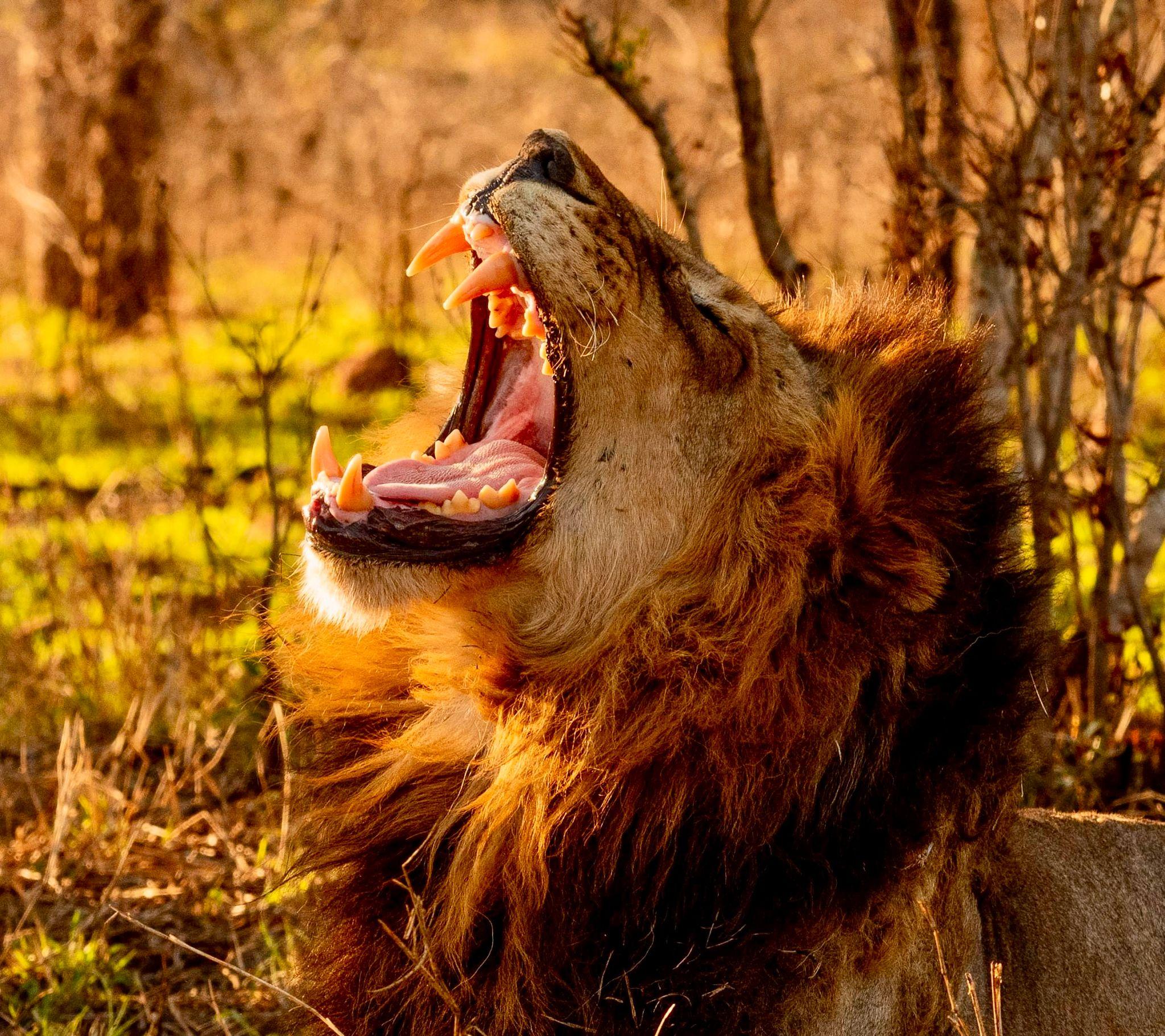
The African lion is one of the most iconic animals in the world. Known as the “King of the Jungle,” lions are powerful predators that play an important role in maintaining the balance of nature.

1. Lions Live in Groups
Unlike most big cats, lions live in social groups called prides. A pride can consist of several females, their cubs, and a few adult males.
2. Lions Are Powerful Hunters
Female lions are the primary hunters of the pride. They work together to catch prey such as zebras, wildebeests, and antelope
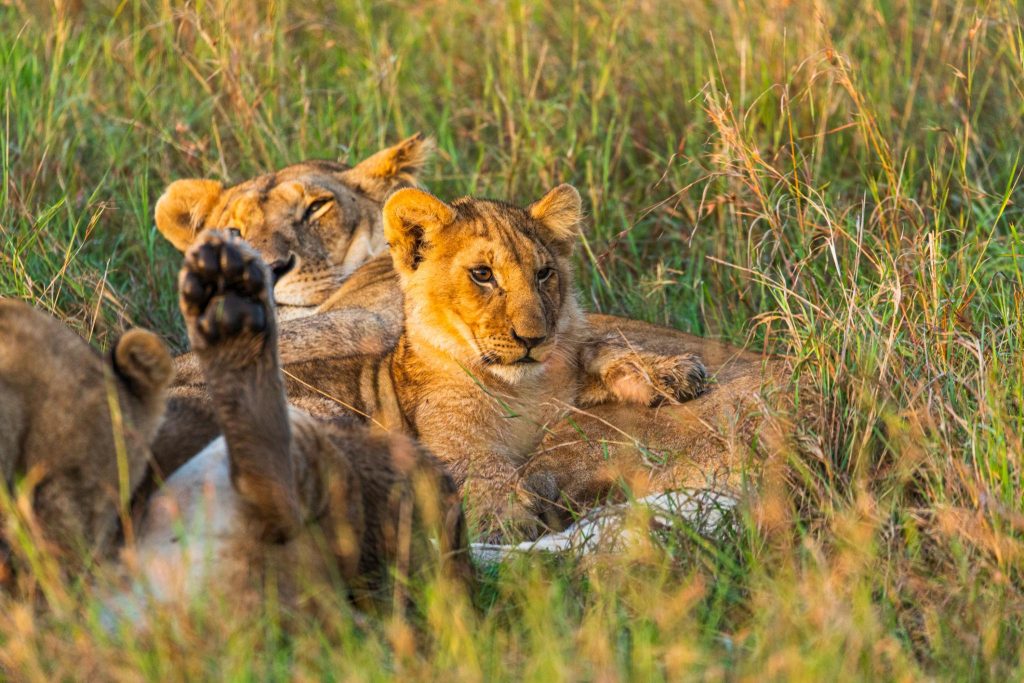
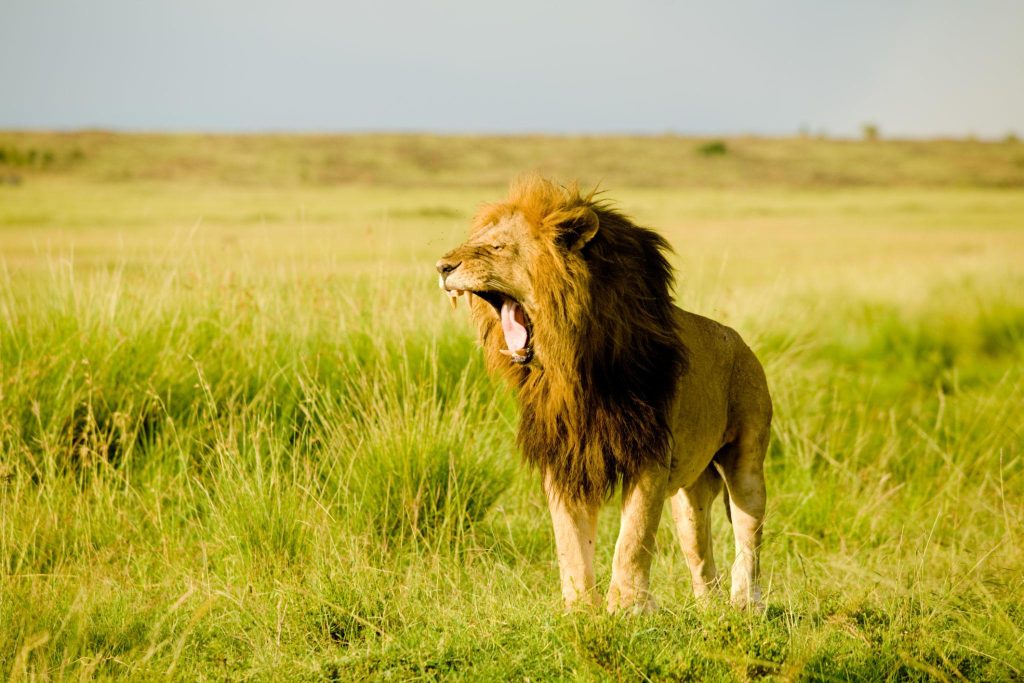
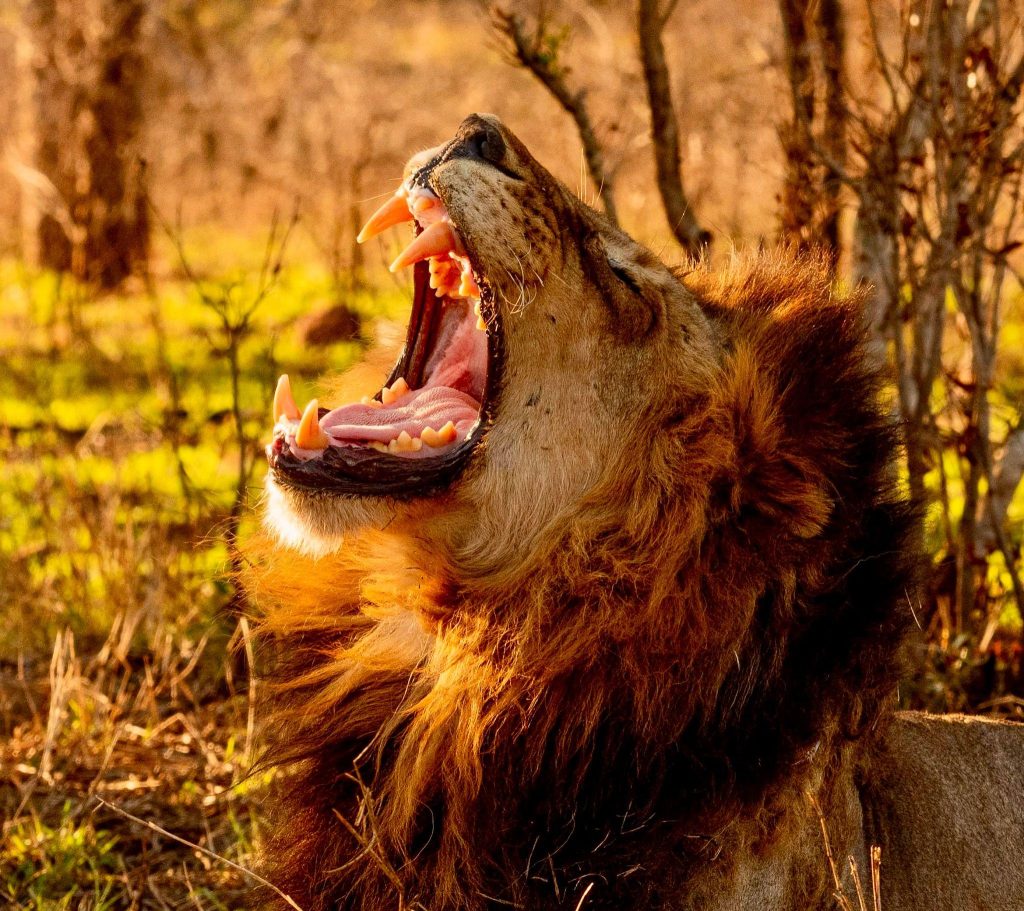
3. A Lion’s Roar Can Be Heard Miles Away
A lion’s roar is extremely loud and can travel up to 8 kilometers (5 miles), helping them communicate with other pride members.
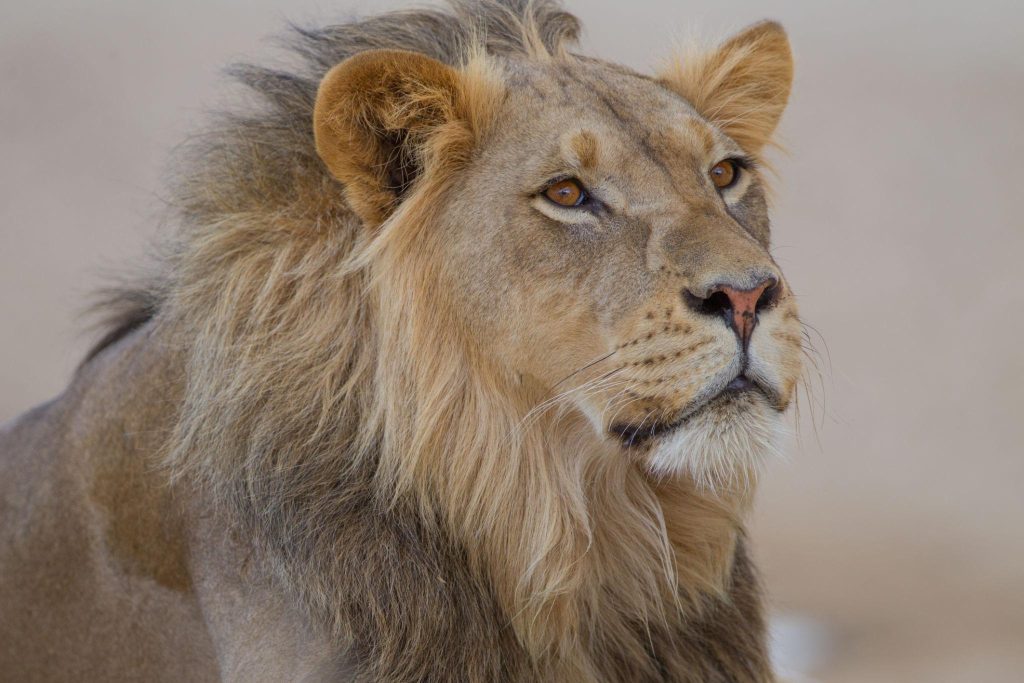
4. Male Lions Have Majestic Manes
The mane of a male lion serves as protection during fights and can also make the lion appear larger and more intimidating.
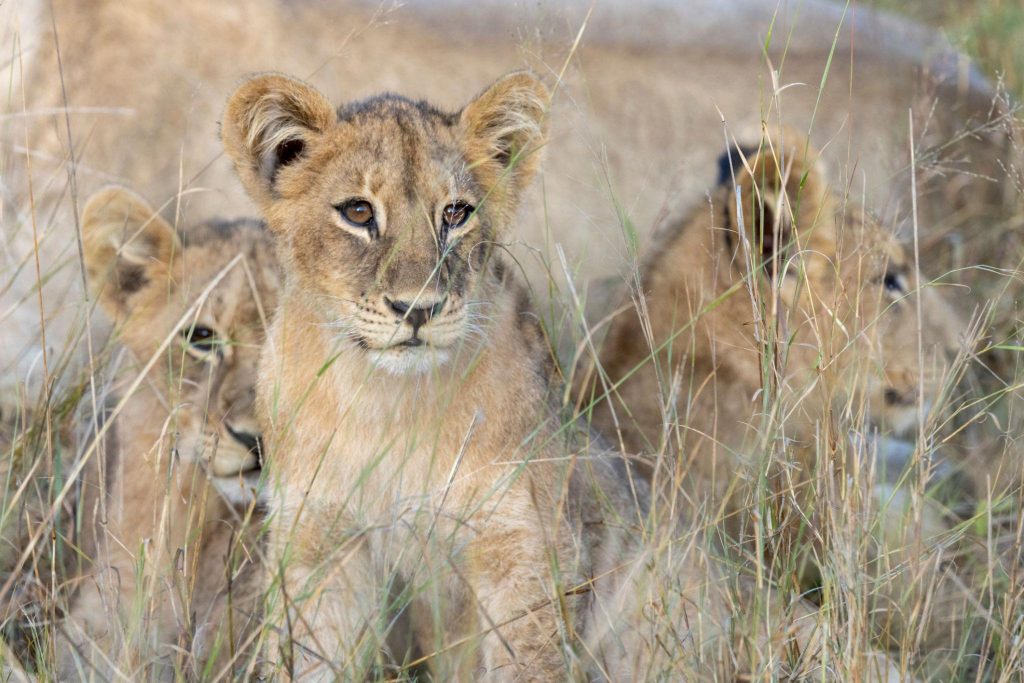
5. Lions Spend Most of Their Time Resting
Lions can sleep or rest for up to 20 hours a day to conserve energy.
6. Lion Cubs Are Born Blind
Newborn lion cubs are blind and depend entirely on their mothers for protection and nourishment.
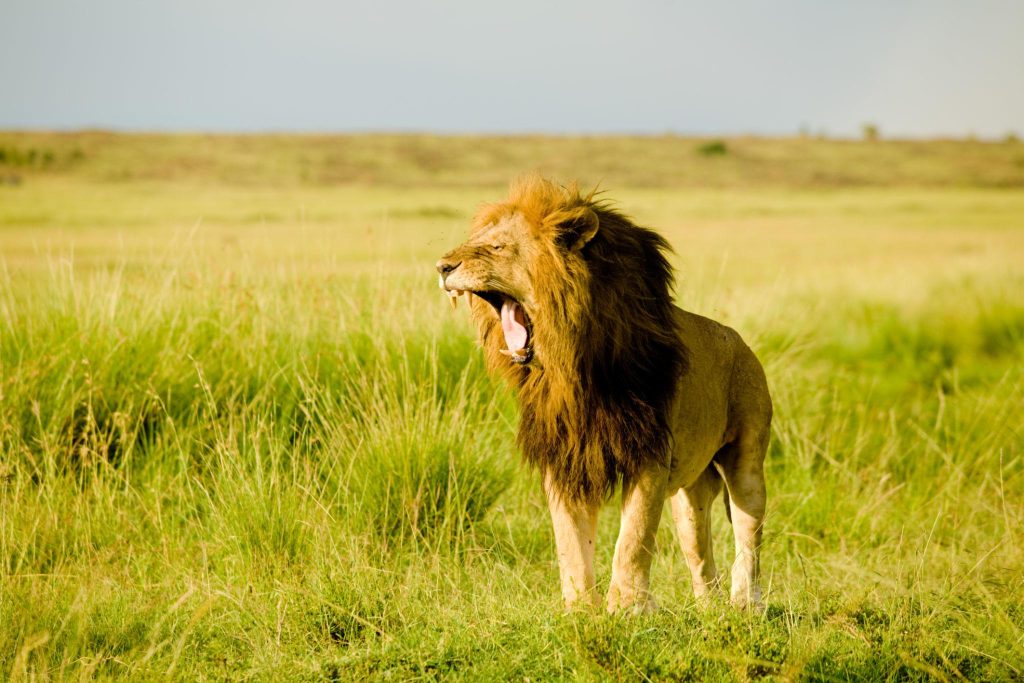
7. Lions Play an Important Ecological Role
As top predators, lions help control herbivore populations and maintain ecosystem balance.
8. Lions Face Many Threats
Habitat loss, human-wildlife conflict, and illegal hunting have reduced lion populations in many regions.
9. Lions Are Found Mostly in Africa
Most wild lions live in sub-Saharan Africa, with a small population of Asiatic lions surviving in India.
10. Conservation Efforts Are Essential
Wildlife organizations are working to protect lion habitats and ensure the survival of future generations.
Conclusion
African lions are remarkable animals that symbolize strength, courage, and the beauty of the wild. Protecting these magnificent creatures is essential for maintaining healthy ecosystems and preserving biodiversity.