Author: heng71

  • The Ocean Lights That Bring Fish Out of the Darkness: The Fascinating World of Fishing Lights at Sea

    The Ocean Lights That Bring Fish Out of the Darkness: The Fascinating World of Fishing Lights at Sea

    Image
    Image
    Image
    Image
    Image
    Image
    Image

    The Ocean Lights That Bring Fish Out of the Darkness: The Fascinating World of Fishing Lights at Sea

    When night falls over the open ocean, something extraordinary begins to happen.

    Far from the coastline, small points of light appear across the dark horizon. From a distance, they may resemble floating cities or stars resting on the water. But these glowing lights belong to fishing boats using one of humanity’s oldest and most effective techniques—fishing with light.

    Fishing lights at sea have been used for centuries in different parts of the world. Today, this practice combines traditional knowledge with modern technology to attract fish and improve catches. While beautiful to witness, the glowing ocean also tells a story about survival, industry, science, and the delicate balance between humans and marine ecosystems.

    Why Do Fishing Boats Use Lights?

    Many marine species naturally react to light.

    Small organisms such as plankton are attracted to illuminated areas during nighttime. As plankton gather, small fish follow to feed, and larger fish eventually arrive to hunt the smaller ones.

    Fishermen take advantage of this natural chain reaction.

    By placing powerful lights above or near the water’s surface, they create an artificial feeding zone that attracts schools of fish into a concentrated area where they can be harvested more efficiently.

    This method is commonly used for species such as squid, sardines, anchovies, and certain types of mackerel.

    Ancient Technique, Modern Technology

    Fishing with light is not a modern invention.

    Historically, fishermen carried torches, burning baskets, oil lamps, and simple fire-based lighting onto wooden boats. Coastal communities around the world discovered that illuminated water increased their chances of success.

    Today, fishing operations use advanced lighting systems including:

    • LED fishing lamps
    • Halogen marine lights
    • Underwater lighting arrays
    • Generator-powered floodlights
    • Energy-efficient commercial lighting systems

    Modern systems allow vessels to adjust brightness and target specific species.

    Some fishing fleets can illuminate large sections of ocean surface, creating dramatic nighttime scenes visible from aircraft and satellites.

    The Most Famous Type: Squid Fishing

    Among all forms of light fishing, squid fishing is perhaps the most visually striking.

    Squid are highly responsive to bright light at night. Fishing vessels often line their decks with rows of intense lamps that transform the surrounding sea into a glowing white field.

    Fishermen slowly attract squid upward from deeper waters until they gather near the surface.

    Once concentrated, specialized lines and equipment capture them efficiently.

    Entire fleets working together can create spectacular patterns of light stretching across the ocean.

    In several countries, squid fishing has become both an economic activity and an unforgettable visual symbol of maritime life.

    A Beautiful Sight with Environmental Questions

    Although fishing lights can improve efficiency, scientists and environmental groups continue studying their ecological effects.

    Artificial nighttime illumination may alter animal behavior in some regions.

    Potential concerns include:

    • Disrupting natural feeding patterns
    • Increasing pressure on fish populations
    • Changing migration routes
    • Affecting marine biodiversity

    Many countries now regulate fishing seasons, light intensity, vessel licensing, and protected marine areas to encourage sustainable practices.

    Responsible management helps ensure that fishing communities can continue earning livelihoods while protecting ocean ecosystems.

    The Human Side of Fishing at Sea

    Behind every bright vessel is a crew working long hours.

    Night fishing often requires patience, experience, and physical endurance. Fishermen monitor weather conditions, equipment performance, ocean currents, and fish movement throughout the night.

    For many coastal families, fishing is more than a job—it is a tradition passed through generations.

    The lights floating on the sea represent both hope and uncertainty. Some nights produce abundant catches; others return almost empty.

    Yet every evening, countless boats head back into the darkness searching for another opportunity.

    Why Ocean Fishing Lights Fascinate People

    Images of illuminated fishing fleets continue to attract photographers and travelers around the world.

    Against black water and star-filled skies, the bright reflections create surreal landscapes unlike anything found on land.

    Some people compare them to floating festivals.

    Others describe them as oceans filled with stars.

    But beyond their beauty lies an important reminder: the relationship between humans and the sea has always depended on innovation, adaptation, and respect for nature.

    Final Thoughts

    Fishing lights at sea reveal one of the most fascinating interactions between technology and natural behavior.

    From ancient torch-lit boats to modern LED-powered vessels, this technique has helped communities harvest food and support local economies for generations.

    At the same time, it highlights the importance of maintaining healthy oceans for future generations.

    The next time you see glowing lights across a dark sea, remember—you may be witnessing a tradition that connects science, survival, and the enduring mystery of life on the water.

  • Fishing Lite at Sea: The Ultimate Night Fishing Adventure That Every Angler Should Experience

    # Fishing Lite at Sea: The Ultimate Night Fishing Adventure

    For fishing enthusiasts seeking a unique and exciting experience, Fishing Lite at Sea offers an unforgettable adventure unlike traditional daytime fishing. Combining the beauty of the open ocean with the fascinating behavior of marine life, this method of fishing has become increasingly popular among both recreational anglers and professional fishermen worldwide.

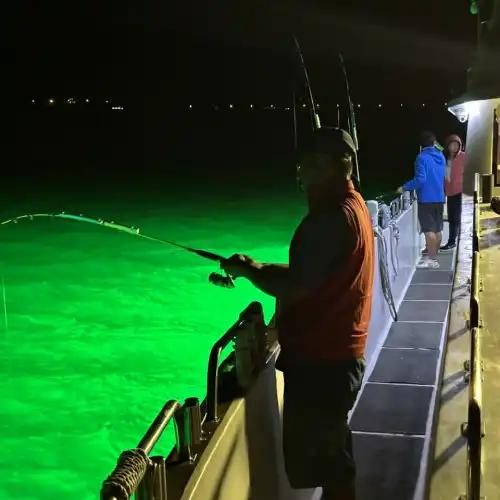
    Fishing Lite at Sea refers to the practice of using powerful lights during nighttime fishing trips to attract fish and other marine organisms. The lights create a glowing environment in the water that naturally attracts plankton, baitfish, squid, and larger predatory fish. This chain reaction creates ideal fishing conditions and significantly increases the chances of a successful catch.

    ## Why Fishing Lights Work

    Marine ecosystems are highly responsive to light. Many small organisms, including plankton, are naturally drawn toward illuminated areas. As these tiny creatures gather around the light source, baitfish arrive to feed on them. Soon afterward, larger fish species follow in search of prey.

    This natural food chain creates a concentrated fishing zone directly beneath and around the fishing vessel. Anglers can often observe fish activity near the surface, making the experience both productive and visually spectacular.

    Modern fishing boats commonly use high-efficiency LED fishing lights that are bright, energy-saving, and environmentally friendly. These lights can penetrate deep into the water column, attracting marine life from considerable distances.

    ## The Excitement of Night Fishing

    One of the greatest attractions of Fishing Lite at Sea is the atmosphere. As darkness falls over the ocean, the illuminated water creates a magical scene. The contrast between the dark sea and the glowing fishing area produces a breathtaking environment that many anglers find relaxing and exciting at the same time.

    Night fishing also offers cooler temperatures, making it more comfortable than fishing under the hot midday sun. The peaceful surroundings, gentle ocean breeze, and star-filled sky create an unforgettable outdoor experience.

    Many anglers report that nighttime fishing feels more adventurous because fish activity often intensifies after sunset. Species that remain deeper during the day may become more active and easier to catch at night.

    ## Common Species Caught During Fishing Lite Trips

    The types of fish attracted to fishing lights vary depending on the region and season. However, several species are commonly targeted during night fishing expeditions.

    Squid are among the most popular catches because they are highly attracted to bright lights. Many commercial and recreational fishermen specifically use illuminated fishing techniques to target squid.

    Other commonly caught species include:

    * Mackerel
    * Sardines
    * Tuna
    * Snapper
    * Grouper
    * Barracuda
    * Trevally

    In tropical and subtropical waters, anglers may encounter a diverse range of game fish attracted by the feeding activity around the lights.

    ## Essential Equipment for Fishing Lite at Sea

    Successful Fishing Lite at Sea requires proper equipment. While specific gear depends on the target species, several essentials should always be included.

    A reliable fishing rod and reel suitable for saltwater conditions are critical. Strong fishing lines and corrosion-resistant hooks help withstand the harsh marine environment.

    Lighting equipment is equally important. Modern LED fishing lights are preferred because they provide excellent brightness while consuming less power. Some lights are designed to float on the surface, while others are submerged beneath the water.

    Additional equipment may include:

    * Life jackets
    * GPS navigation systems
    * Fish finders
    * Tackle boxes
    * Bait and lures
    * First-aid kits
    * Waterproof clothing

    Safety should always remain a top priority during nighttime fishing excursions.

    ## Best Conditions for Fishing Lite at Sea

    Several environmental factors influence fishing success. Calm weather conditions generally provide the safest and most productive experience. Excessive wind and rough seas can reduce visibility and make fishing more challenging.

    Moon phases also play a role. Many experienced fishermen prefer fishing during darker nights because artificial lights become more noticeable and effective in attracting marine life.

    Tidal movements can significantly affect fish activity. Understanding local tides and currents helps anglers position their boats in productive areas where fish are likely to gather.

    Patience is another key factor. It often takes time for plankton and baitfish to accumulate around the lights before larger fish begin arriving.

    ## Environmental Responsibility

    Responsible fishing practices are essential for protecting marine ecosystems. Anglers should always follow local fishing regulations, size limits, and catch quotas.

    Using energy-efficient LED lighting helps reduce fuel consumption and environmental impact. Fishermen should also avoid leaving waste in the ocean and ensure all equipment is properly maintained.

    Sustainable fishing practices help preserve fish populations and ensure future generations can continue enjoying this remarkable activity.

    ## Final Thoughts

    Fishing Lite at Sea is far more than a simple fishing trip—it is a complete ocean adventure. The combination of glowing waters, active marine life, and the thrill of catching fish under the night sky creates a truly memorable experience.

    Whether you are an experienced angler or a beginner looking for a new challenge, Fishing Lite at Sea offers excitement, relaxation, and excellent fishing opportunities. With proper preparation, quality equipment, and respect for the marine environment, your next nighttime fishing adventure could become one of your most rewarding experiences on the water.

    As more anglers discover the advantages of illuminated night fishing, Fishing Lite at Sea continues to grow in popularity around the world. If you have never experienced it before, now may be the perfect time to plan your own unforgettable journey into the glowing waters of the open sea.
  • Hello world!

    Welcome to WordPress. This is your first post. Edit or delete it, then start writing!